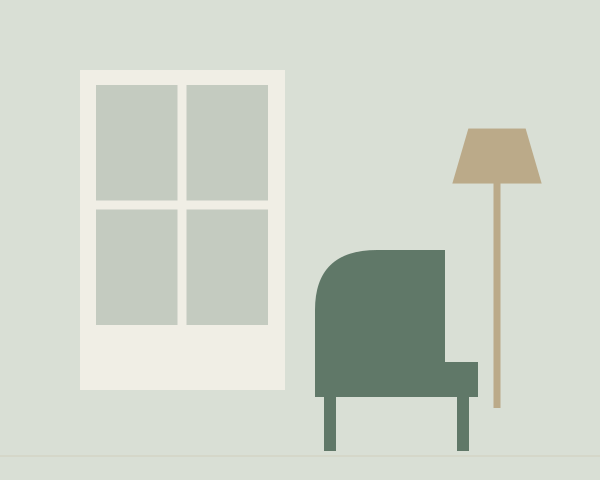
A reading corner does not need its own room. It needs a place where your body can settle and your attention can stay with a page. A chair beside a window, a small lamp, and a surface for a cup are often enough.
Follow the light
Start by watching the room at the hour you usually read. Morning light may reach a completely different corner from evening light. A window at the side of the chair gives the page brightness without putting glare directly in your eyes. If the corner feels harsh, a light curtain can soften it.
For evenings, choose a lamp that directs light toward the book. Place it behind one shoulder and adjust it while sitting down. The best position is the one that lets you read comfortably without leaning toward the bulb.
Choose a seat for the habit
A chair that looks generous in a photograph may feel awkward after twenty minutes. Check whether your feet can rest on the floor and whether your back feels supported. A small cushion can help, but it should not be doing all the work of a badly fitting seat.
Leave enough space to stand up easily. A reading corner squeezed between furniture often becomes somewhere to store things instead of somewhere to spend time.
Keep a small landing place
A side table only needs to hold what you use during a reading session: a book, a glass, perhaps a pencil. Keep the surface small enough that it cannot become the room’s collection point for mail and cables.
Put the books you are reading nearby and keep the rest elsewhere. A short, visible stack invites you back without asking you to reorganize a whole library.
Let the corner stay ordinary
There is no need to finish every detail before using the space. Read there for a week and notice what feels missing. You may discover that a footrest matters more than a rug, or that moving the lamp is more useful than buying another one.
A good corner supports a habit quietly. Its success is measured in the time you spend there, rather than in how complete it looks.